

Suwanee Junk Removal Services
Choose our junk removal service for prompt, professional, and eco-friendly solutions that make clearing out your unwanted items hassle-free—so you can reclaim your space with confidence.
Get a Free QuoteOur Suwanee Landscaping & Yard Care Services
When to Schedule Junk Removal in Suwanee, Georgia – Seasonal Guide
In Suwanee, Georgia, the best times for junk removal are closely tied to the area’s unique climate and landscape. With mild winters and hot, humid summers, many residents in neighborhoods like Olde Atlanta Club and near Suwanee Creek Park find that late winter through early spring is ideal for clearing out unwanted items. This timing allows you to prepare your property before the growing season begins and before humidity and summer storms make outdoor work more challenging.
Local environmental factors such as the last frost date—typically in late March—play a significant role in scheduling. Suwanee’s clay-heavy soils and shaded lots, especially in areas like Riverbrooke, can retain moisture, making some months muddier and less accessible for removal trucks. Additionally, municipal guidelines and local resources can affect when and how you dispose of certain materials, so it’s important to stay informed about seasonal restrictions and collection schedules.
Local Factors to Consider for Junk Removal in Suwanee
- Tree density and shade coverage, which can impact debris accumulation and accessibility
- Terrain and soil type, especially in neighborhoods with clay soils or sloped yards
- Seasonal precipitation and risk of drought, affecting ground conditions
- Municipal restrictions on disposal and collection times
- Proximity to landmarks like Suwanee Town Center, which may have specific guidelines for waste removal
Benefits of Junk Removal in Suwanee

Fast and Reliable Service
Eco-Friendly Disposal
Experienced Landscaping Team
Affordable Pricing Options
Comprehensive Clean-Up
Flexible Scheduling
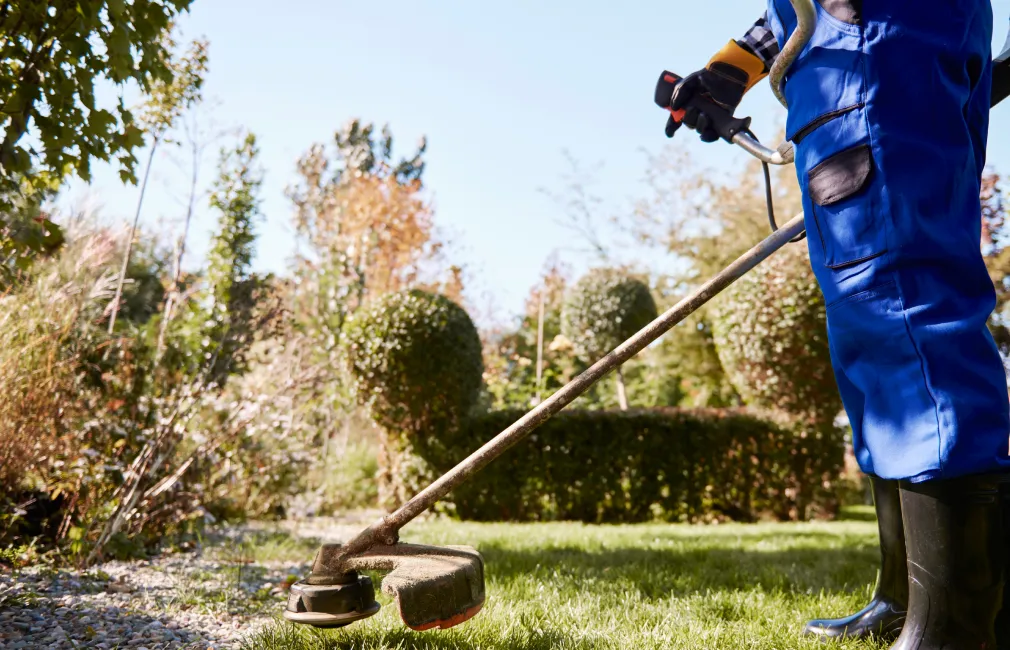
Suwanee Junk Removal Types

Yard Waste Removal
-
Tree Branch Disposal
-
Sod and Soil Hauling
-
Landscape Debris Cleanup
-
Shrub and Bush Removal
-
Mulch and Rock Removal
-
Garden Structure Disposal
Our Junk Removal Process
Site Evaluation
Customized Plan
Efficient Removal
Responsible Disposal
Final Inspection
Why Choose Suwanee Landscape Services
-
Suwanee Homeowners Trust Us
-
Expert Lawn Maintenance
-
Reliable Scheduling
-
Competitive Pricing
-
Professional Team
-
Satisfaction Guarantee
-
Personalized Service
Suwanee Code Enforcement Standards for Junk Accumulation and Property Maintenance
Suwanee's Code Enforcement division actively monitors residential and commercial properties for violations related to outdoor junk accumulation, inoperable vehicles, and unsecured debris. Under Suwanee's municipal property maintenance standards, property owners are required to keep lots free of accumulated waste materials, discarded appliances, and unsightly debris that may constitute a nuisance or zoning violation. Violations can result in formal notices, re-inspection fees, and escalating fines if not remediated within the prescribed correction window. Key compliance considerations include:
- Inoperable or unlicensed vehicles stored on residential lots may trigger code action
- Outdoor storage of construction debris, scrap metal, or bulk waste visible from the right-of-way is subject to enforcement
- Repeat violations may be referred to Gwinnett County Superior Court
- Property owners should document removal with dated photographs for compliance records
Prompt junk removal reduces the risk of code citations and supports neighborhood preservation standards citywide.
Suwanee Code Enforcement
330 Town Center Avenue, Suwanee, GA 30024
Official Website: Suwanee Code Enforcement
Protecting Suwanee's Stormwater Infrastructure During Bulk Junk Removal
Suwanee's stormwater drainage network, which includes detention ponds, roadside swales, and drainage corridors connected to the Chattahoochee River watershed, is vulnerable to contamination from improperly managed junk removal activities. The city's Suwanee Stormwater Management program enforces water quality protections consistent with the EPA NPDES Program and the Clean Water Act. During junk removal operations, the following precautions are required:
- Do not drag or stage debris over storm drain inlets, curb cuts, or drainage swales
- Fluids from appliances, vehicles, or equipment must be drained and disposed of through licensed hazardous waste channels before removal
- Loose materials must be secured in covered containers or wrapped loads to prevent roadway scatter
- Soil disturbance near drainage easements should be minimized to prevent sediment runoff
The Georgia EPD Watershed Protection Branch provides additional guidance on water quality compliance applicable to debris-generating activities in Piedmont Georgia communities.
Suwanee Stormwater Management
330 Town Center Avenue, Suwanee, GA 30024
Official Website: Suwanee Stormwater Management
Navigating Suwanee's Public Works Department for Bulk Waste and Debris Coordination
The Suwanee Public Works Department oversees street maintenance, rights-of-way, and public facility upkeep, which directly intersects with junk removal logistics for curbside staging and haul-out access. Residents and property managers coordinating large-scale junk removal should be aware of the following procedural considerations:
- Bulk items placed at the curb must not obstruct sidewalks, fire hydrants, or storm drain inlets
- Staging debris in the public right-of-way for extended periods may require prior coordination with Public Works to avoid obstruction citations
- Heavy equipment such as roll-off dumpsters placed on city streets may require a temporary encroachment permit through the city
- Gwinnett County Solid Waste manages residential bulk pickup schedules; verify current collection days and item eligibility directly with the county
Property owners undertaking estate cleanouts, renovation debris removal, or post-storm junk clearing should confirm access and staging requirements before scheduling haul-away services to avoid delays or municipal conflicts.
Suwanee Public Works Department
330 Town Center Avenue, Suwanee, GA 30024
Official Website: Suwanee Public Works Department
Georgia EPD Compliance for Hazardous and Electronic Waste Disposal in Suwanee
Not all materials removed during a junk removal project qualify for standard landfill disposal. Suwanee residents and property owners must distinguish between general bulk waste and regulated materials subject to Georgia environmental law. The Georgia EPD enforces disposal standards for hazardous household waste, electronics, and materials containing refrigerants or lead. Regulated items commonly encountered during junk removal include:
- Refrigerators, air conditioners, and freezers containing CFC or HFC refrigerants — must be handled by EPA Section 608-certified technicians before disposal
- Televisions, monitors, and computers — subject to Georgia's e-Scrap program requirements
- Paints, solvents, pesticides, and motor oil — must be directed to Gwinnett County's household hazardous waste collection events
- Fluorescent bulbs and mercury-containing devices — require separate disposal channels
EPA Region 4, which covers Georgia, provides federal oversight of hazardous waste disposal standards applicable to residential and commercial junk removal operations. Confirm current Gwinnett County HHW collection dates and accepted materials before scheduling removal of regulated items.
Suwanee's Piedmont Red Clay Soils and Access Considerations for Heavy Removal Equipment
Suwanee sits within Georgia's Piedmont physiographic region, where soils are predominantly Cecil and Appling series — dense, red clay-based Ultisols with limited drainage capacity and high compaction potential under load. According to the USDA Web Soil Survey, these soils are common throughout Gwinnett County and present specific challenges for junk removal operations involving heavy trucks or roll-off containers. Suwanee falls within USDA Hardiness Zone 7b, with warm, humid summers and moderate winters. Practical site access considerations include:
- Saturated red clay soils after rainfall can cause rutting under loaded haul trucks — schedule heavy equipment access during dry periods when possible
- Driveway aprons and lawn areas adjacent to staging zones may require protective matting to prevent compaction damage
- Steep lot grades common in older Suwanee subdivisions may limit safe vehicle positioning for loading operations
- Confirm driveway load ratings before placing roll-off containers on residential concrete or asphalt surfaces
The National Weather Service Atlanta forecast office provides current precipitation data useful for scheduling access-sensitive removal operations.
What Neighborhoods Do We Serve Throughout Suwanee, GA?
- Suwanee Town Center Area: Properties near the Town Center mixed-use district often involve smaller lot footprints and shared access points, requiring careful staging coordination for junk removal haul-out vehicles.
- Olde Towne Suwanee: This established residential corridor features mature tree canopy and older home construction, where estate cleanouts and appliance removal are common service needs.
- Laurel Springs: A large planned community with HOA-governed standards; junk accumulation visible from common areas or streets may trigger HOA compliance notices in addition to city code concerns.
- Rivermoore Park: Located near the Chattahoochee River corridor, this neighborhood requires particular attention to debris containment near drainage features and greenway-adjacent lots.
- Suwanee Creek Greenway Corridor Neighborhoods: Properties backing up to the Suwanee Creek greenway system must ensure that removed materials are not staged near creek buffers or drainage swales.
- Ashton Woods and McGinnis Ferry Road Subdivisions: Newer subdivisions with fill soils and active HOA oversight; roll-off container placement and curbside staging should be coordinated carefully to avoid surface damage and association violations.