
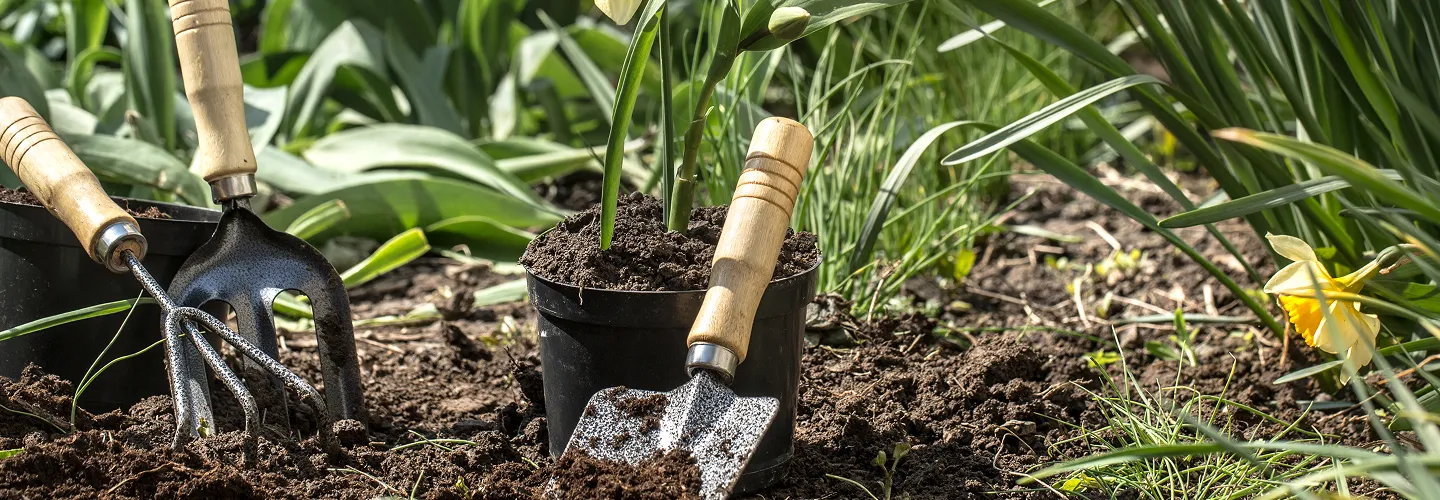
Suwanee Flower Bed Maintenance Services
Choose our Flower Bed Maintenance for expert care, vibrant blooms, and a weed-free landscape that enhances your home's curb appeal and saves you time.
Get a Free QuoteOur Suwanee Landscaping & Yard Care Services
When to Schedule Flower Bed Maintenance in Suwanee, Georgia – Seasonal Guide
In Suwanee, Georgia, the best times for flower bed maintenance are closely tied to our region’s unique climate and landscape. Early spring, just after the last frost date, is ideal for prepping beds, mulching, and planting annuals, while late fall is perfect for cutting back perennials and preparing for winter. Suwanee’s humid summers and occasional droughts, especially in neighborhoods near Sims Lake Park or along the Chattahoochee River, mean that timing your maintenance can make a significant difference in plant health and curb appeal.
Local factors such as heavy shade from mature oaks in subdivisions like Edinburgh or the clay-heavy soils common in Olde Atlanta Club require a tailored approach. Monitoring precipitation patterns and being aware of municipal watering restrictions—details available through the official city website—can help you plan maintenance that keeps your beds thriving throughout the year.
Local Factors to Consider for Flower Bed Maintenance in Suwanee
- Tree density and shade coverage in your yard
- Soil type (clay, loam, or sandy soils)
- Average precipitation and drought risk
- Proximity to water features or flood-prone areas
- Municipal watering restrictions and seasonal guidelines
- Terrain and drainage patterns
- Neighborhood-specific microclimates
Benefits of Flower Bed Maintenance in Suwanee
Enhanced Curb Appeal
Weed and Pest Prevention
Healthier Plant Growth
Seasonal Color Management
Professional Landscape Expertise
Time and Effort Savings
Suwanee Flower Bed Maintenance Types

Seasonal Flower Planting
-
Weed Control Services
-
Mulch Installation
-
Soil Amendment
-
Edging and Trimming
-
Fertilization Programs
-
Pest and Disease Management
Our Flower Bed Maintenance Process
Site Evaluation
Weed Removal
Soil Preparation
Plant Care
Mulching
Why Choose Suwanee Landscape Services
-
Suwanee Homeowners Trust Us
-
Expert Lawn Maintenance
-
Reliable Scheduling
-
Competitive Pricing
-
Professional Team
-
Satisfaction Guarantee
-
Personalized Service
Suwanee's Piedmont Red Clay Soils and Flower Bed Drainage Management
Suwanee sits within Georgia's Piedmont physiographic region, where soils are predominantly Cecil and Appling series — dense, red clay-rich Ultisols with limited natural drainage and a tendency toward compaction under foot traffic and equipment pressure. According to the USDA Web Soil Survey, these soils typically carry a pH between 5.0 and 6.0, which can restrict nutrient availability for many ornamental bed plants. Suwanee falls within USDA Hardiness Zone 7b, supporting a long warm season with moderate freeze risk in January and February. For flower bed maintenance, these soil conditions require:
- Incorporating 3–4 inches of organic matter annually to improve drainage and aeration
- Monitoring bed edges for clay heave and compaction after heavy rainfall events
- Avoiding cultivation when soils are saturated to prevent structural damage
- Testing soil pH every 2–3 years and amending with lime or sulfur as needed per UGA Cooperative Extension guidance
Proper drainage management in Suwanee beds reduces standing water, root rot risk, and erosion into adjacent stormwater infrastructure.
Seasonal Planting and Bed Renewal Timing for Suwanee's Growing Conditions
Suwanee's climate, monitored by the National Weather Service Atlanta forecast office, features hot, humid summers with average July highs near 90°F and mild winters with occasional hard freezes. This climate pattern creates two primary planting windows for flower bed maintenance:
- Spring installation: Mid-March through April, once soil temperatures consistently exceed 55°F and freeze risk has passed
- Fall planting: Mid-September through October, allowing cool-season annuals and perennials to establish before first frost (typically mid-November)
Summer bed maintenance should focus on deadheading, mulch replenishment, and irrigation management rather than new installation, as heat stress significantly reduces transplant survival rates. Warm-season annuals such as vinca, pentas, and lantana perform well in Suwanee's summer conditions. Cool-season options including pansies, snapdragons, and ornamental kale are appropriate for fall and winter beds. Timing bed renovations to align with these windows reduces plant loss and minimizes supplemental irrigation demand.
Protecting Suwanee Stormwater Infrastructure During Bed Maintenance Activities
Flower bed maintenance activities — including mulching, fertilizing, and herbicide application — carry runoff risk that can affect Suwanee's stormwater drainage network. The city's Suwanee Stormwater Management program oversees drainage infrastructure maintenance, water quality protection, and environmental compliance across the municipality. Beds located near curb inlets, roadside swales, detention ponds, or drainage easements require particular care. Practical precautions include:
- Keeping mulch at least 12 inches from storm drain inlets to prevent blockage
- Applying granular fertilizers only when rain is not forecast within 24–48 hours
- Avoiding herbicide application on windy days or immediately before rainfall
- Containing bed debris and clippings before disposal to prevent inlet obstruction
The Georgia EPD Watershed Protection Branch and the Clean Water Act establish baseline water quality standards that apply to residential and commercial landscape activities. Suwanee's stormwater program operates in compliance with EPA NPDES municipal permit requirements.
Suwanee Stormwater Management
330 Town Center Avenue, Suwanee, GA 30024
Phone: (770) 945-8996
Official Website: Suwanee Stormwater Management
Suwanee Code Enforcement Standards for Overgrowth and Bed Upkeep
Suwanee's Code Enforcement division administers property maintenance standards that directly affect flower bed conditions on residential and commercial parcels. Violations related to overgrown vegetation, uncontrolled weeds, and neglected landscape beds can result in formal notices and compliance timelines. Key code-related considerations for bed maintenance include:
- Weeds and invasive vegetation in ornamental beds that exceed nuisance thresholds may trigger enforcement action
- Beds adjacent to public rights-of-way must be maintained to avoid sightline obstructions and encroachment onto sidewalks or curbs
- Organic debris such as dead plant material, accumulated mulch, and clippings must not be deposited into streets, gutters, or drainage channels
- Property owners in HOA-governed subdivisions should verify whether community standards impose additional bed maintenance requirements beyond city code
The UGA Extension Invasive Species program identifies plants such as Chinese privet, English ivy, and Japanese honeysuckle as problematic in Georgia landscapes; their presence in ornamental beds may compound code compliance concerns.
Suwanee Code Enforcement
330 Town Center Avenue, Suwanee, GA 30024
Phone: (770) 945-8996
Official Website: Suwanee Code Enforcement
Mulch Selection and Bed Material Standards Near Suwanee Parks and Greenways
Suwanee maintains an active parks and greenway network, including Suwanee Creek Greenway and Town Center Park, managed by Suwanee Parks & Recreation. Residential and commercial properties adjacent to these corridors should apply bed materials that do not introduce invasive plant propagules or contribute to erosion along shared boundaries. Recommended mulch and bed material practices for Suwanee properties include:
- Apply pine bark or shredded hardwood mulch at 2–3 inches depth; avoid exceeding 4 inches, which can restrict oxygen exchange and promote fungal disease in Suwanee's humid summers
- Do not use dyed rubber mulch near drainage corridors or creek-adjacent lots
- Avoid using soil or mulch containing weed seeds or invasive plant material near greenway edges
- Replenish mulch in spring (March–April) and again in fall (October) to maintain consistent moisture retention and weed suppression
The Georgia EPD recommends minimizing bare soil exposure in beds near water features to reduce sediment transport. Suwanee's Public Works Department maintains rights-of-way adjacent to greenway corridors; bed materials should not encroach onto these maintained areas.
Suwanee Parks & Recreation
330 Town Center Avenue, Suwanee, GA 30024
Phone: (770) 945-8996
Official Website: Suwanee Parks & Recreation
What Neighborhoods Do We Serve Throughout Suwanee, GA?
Flower bed maintenance needs vary across Suwanee's neighborhoods based on soil conditions, lot age, canopy cover, and proximity to drainage features.
- Suwanee Town Center Area: Beds in this mixed-use corridor are highly visible and subject to city aesthetic standards; compact clay soils and impervious surface runoff require careful drainage management around ornamental plantings.
- Olde Towne Suwanee: Older residential lots with established tree canopy create significant shade pressure on flower beds, requiring shade-tolerant plant selections and adjusted mulch depth to manage moisture under mature hardwoods.
- Laurel Springs: A large HOA-governed subdivision where community landscape standards often supplement city code; red clay subsoils and graded fill from development-era construction affect bed drainage and soil amendment needs.
- Rivermoore Park: Lots near Suwanee Creek corridors require particular attention to runoff containment and mulch management to protect adjacent drainage buffers and greenway edges.
- Suwanee Station: A newer mixed residential community where compacted fill soils from recent construction reduce natural infiltration, making organic matter incorporation essential for healthy bed establishment.
- Parsons Run: A wooded residential neighborhood where leaf accumulation and shade from mature pines and oaks affect bed plant selection, mulch breakdown rates, and seasonal maintenance timing.