
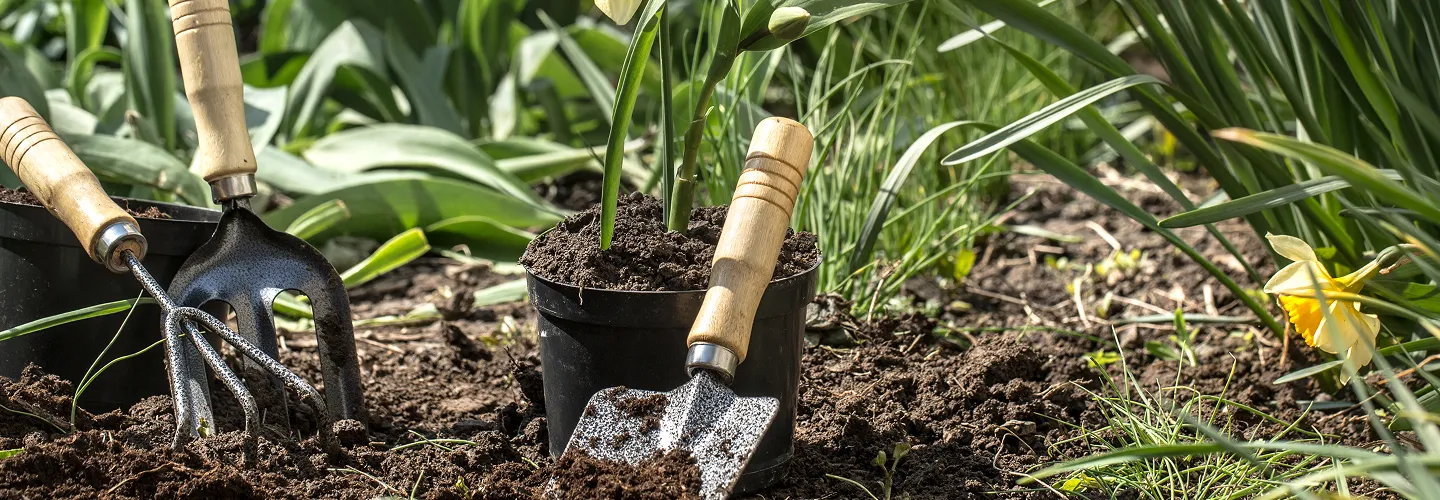
Suwanee Lawn Grubs Control Services
Choose our Lawn Grubs Control for proven, effective treatments that safeguard your grass, restore your yard’s health, and keep your landscape beautiful all season long.
Get a Free QuoteOur Suwanee Landscaping & Yard Care Services
When to Schedule Lawn Grubs Control in Suwanee, Georgia – Seasonal Guide
In Suwanee, Georgia, the best time to schedule lawn grubs control is typically late spring through early summer, when grubs are most active just below the soil surface. Suwanee’s warm, humid summers and mild winters—especially in neighborhoods like Olde Atlanta Club and near Sims Lake Park—create an environment where grubs can thrive if not managed proactively. Monitoring soil temperatures and local frost dates is crucial, as grubs tend to hatch after the last frost and before the peak of summer heat.
Local environmental factors such as the region’s clay-heavy soils, variable shade coverage from mature trees, and the risk of summer droughts all play a role in determining the optimal treatment window. Homeowners should also consider municipal guidelines and best practices, which can be found on resources like the Sudbury town website, to ensure compliance and environmental safety.
Local Factors to Consider for Lawn Grubs Control in Suwanee
- Tree density and shade coverage, especially in established neighborhoods
- Soil type (clay vs. sandy soils)
- Average precipitation and drought risk during summer months
- Proximity to water features like Suwanee Creek
- Municipal restrictions or recommendations on pesticide use
- Terrain and drainage patterns affecting grub migration
Benefits of Lawn Grubs Control in Suwanee
Effective Grub Elimination
Healthier, Greener Lawns
Eco-Friendly Treatment Options
Experienced Landscaping Professionals
Customized Lawn Care Plans
Long-Term Pest Prevention
Suwanee Lawn Grubs Control Types

Preventative Grub Treatments
Protect your lawn before grubs become a problem with proactive applications.
-
Curative Grub Control
Target active grub infestations to quickly reduce lawn damage.
-
Organic Grub Management
Utilize eco-friendly solutions to manage grubs without harsh chemicals.
-
Biological Grub Control
Introduce beneficial nematodes or bacteria to naturally reduce grub populations.
-
Seasonal Grub Monitoring
Regular inspections to detect and address grub issues early.
-
Integrated Pest Management
Combine multiple strategies for effective and sustainable grub control.
Our Lawn Grubs Control Process
Inspection and Identification
Customized Treatment Plan
Targeted Application
Monitoring and Follow-Up
Why Choose Suwanee Landscape Services
-
Suwanee Homeowners Trust Us
-
Expert Lawn Maintenance
-
Reliable Scheduling
-
Competitive Pricing
-
Professional Team
-
Satisfaction Guarantee
-
Personalized Service
Identifying White Grub Pressure in Suwanee's Piedmont Red Clay Turf
Lawn grub infestations in Suwanee, GA are primarily caused by the larval stage of Japanese beetles (Popillia japonica), masked chafers (Cyclocephala spp.), and May/June beetles (Phyllophaga spp.). These white C-shaped larvae feed on turfgrass root systems beneath the soil surface, causing irregular brown patches that lift easily from the ground like loose carpet. Suwanee falls within USDA Hardiness Zone 7b, and its predominant soils — Cecil and Appling series red clay loams — retain moisture unevenly, creating conditions that concentrate grub activity in low-lying or irrigated areas. According to UGA Cooperative Extension, a threshold of 5–10 grubs per square foot typically warrants treatment in warm-season turf such as Bermudagrass and Zoysia. Property owners should inspect turf in late July through September, when second-instar larvae are most vulnerable to treatment and most actively feeding near the soil surface.
Optimal Grub Treatment Timing for Suwanee's Summer Rainfall Patterns
Treatment timing is critical for effective grub control in Suwanee. The city's warm, humid summers — with average July temperatures near 90°F and frequent afternoon thunderstorms — accelerate beetle egg-laying cycles and influence soil moisture levels that affect pesticide movement. UGA Cooperative Extension recommends preventive grub treatments be applied between late May and early July, before eggs hatch, using products containing imidacloprid or chlorantraniliprole. Curative treatments using trichlorfon or carbaryl are most effective from late July through September when larvae are small and near the surface. Key timing guidelines include:
- Preventive window: late May through early July
- Curative window: late July through mid-September
- Soil temperature threshold: grubs are most active when soil temps are between 60°F and 80°F
- Post-application irrigation: apply ½ inch of water within 24 hours to move product into the root zone
Consult the National Weather Service Atlanta forecast office for current soil moisture and rainfall data when planning applications.
Georgia Pesticide Licensing Rules for Professional Grub Control in Suwanee
Any professional applying pesticides for grub control in Suwanee must comply with the Georgia Pesticide Use and Application Act of 1976, administered by the Georgia Department of Agriculture - Agricultural Pest Control division. Licensed applicators must hold a valid Georgia Commercial Pesticide Applicator license in Category 3 (Ornamental and Turf) and comply with all label requirements, which are legally binding under federal and state law. Unlicensed application of restricted-use pesticides is a violation subject to civil penalties. Property owners hiring contractors should verify licensure through the Georgia Department of Agriculture - Licensing, Certification and Employee Registration portal before authorizing any chemical treatment. Key compliance requirements include:
- Valid Category 3 applicator license on file
- Pesticide labels followed precisely as legal documents
- Restricted-use products applied only by certified personnel
- Application records maintained per state requirements
Georgia Department of Agriculture
19 Martin Luther King Jr. Dr SW, Atlanta, GA 30334
Phone: (404) 656-3600
Official Website: Georgia Department of Agriculture - Agricultural Pest Control
Protecting Suwanee Stormwater Infrastructure During Grub Control Applications
Suwanee's stormwater management program, administered through the Suwanee Stormwater Management office, oversees drainage infrastructure, water quality protection, and flood mitigation throughout the city. Pesticide applications for grub control must be conducted in a manner that prevents chemical runoff into storm drains, detention ponds, and drainage corridors. Suwanee's developed neighborhoods include numerous stormwater inlets and retention features that connect to local tributaries of the Chattahoochee River watershed. Under the Clean Water Act and EPA NPDES Program, pesticide discharges to surface waters are regulated. Practical precautions include:
- Do not apply pesticides within 10–25 feet of open drainage channels or detention pond edges
- Avoid applications immediately before forecast rainfall events exceeding ½ inch
- Do not blow or wash treated clippings or soil into storm drains
- Irrigate post-application only as directed by product label to prevent surface runoff
The Georgia EPD Watershed Protection Branch provides additional guidance on pesticide use near sensitive water resources.
Suwanee Stormwater Management
330 Town Center Ave, Suwanee, GA 30024
Phone: (770) 945-8996
Official Website: Suwanee Stormwater Management
Integrated Pest Management for Grub Control Near Suwanee Parks and Greenways
Suwanee's extensive parks and greenway system — including Suwanee Creek Greenway, Town Center Park, and multiple neighborhood trail corridors — creates adjacency conditions where grub control applications on private turf may occur near publicly maintained green spaces. The Suwanee Parks & Recreation department maintains athletic fields and open turf areas that may also experience grub pressure. Integrated Pest Management (IPM) approaches are strongly encouraged near these sensitive areas and include:
- Biological controls: Heterorhabditis bacteriophora nematodes applied in late August when soil moisture is adequate
- Reduced-risk products: chlorantraniliprole (Acelepryn) has a lower toxicity profile for non-target organisms
- Monitoring before treatment: confirm grub counts exceed action thresholds before applying any pesticide
- Spot treatment: limit applications to confirmed infestation zones rather than blanket-treating entire lawns
Property owners adjacent to Suwanee Creek Greenway or other city-maintained corridors should coordinate with the Parks & Recreation department before applying any pesticide products near shared boundaries.
Suwanee Parks & Recreation
330 Town Center Ave, Suwanee, GA 30024
Phone: (770) 945-8996
Official Website: Suwanee Parks & Recreation
What Neighborhoods Do We Serve Throughout Suwanee, GA?
Grub control needs vary across Suwanee's diverse residential landscape based on soil drainage, irrigation habits, turf type, and proximity to wooded or creek-adjacent areas. The following neighborhoods and communities within Suwanee are commonly served:
- Olde Towne Suwanee: Older established lots with mature Bermudagrass and Zoysia turf; compacted Cecil clay soils and variable irrigation create moderate grub pressure, particularly in low-lying areas.
- Suwanee Station: A large planned community with HOA-maintained common areas and irrigated residential lawns; consistent irrigation increases beetle egg-laying activity and warrants preventive treatment monitoring.
- Rivermoore Park: Wooded lot edges and proximity to creek corridors create conditions favorable to Japanese beetle populations; grub damage often appears first along turf-to-woodland transition zones.
- Laurel Springs: Upscale subdivision with irrigated Zoysia lawns and significant landscape investment; grub threshold management is critical to protecting established turf.
- Suwanee Creek subdivisions: Properties adjacent to Suwanee Creek tributaries require careful pesticide buffer management to protect water quality in accordance with Georgia EPD standards.
- Ashton Woods / Cavendish: Newer construction with fill soils and recently established turf; soil compaction and inconsistent root depth can amplify grub damage visibility and complicate treatment penetration.