
Suwanee Hedging Services
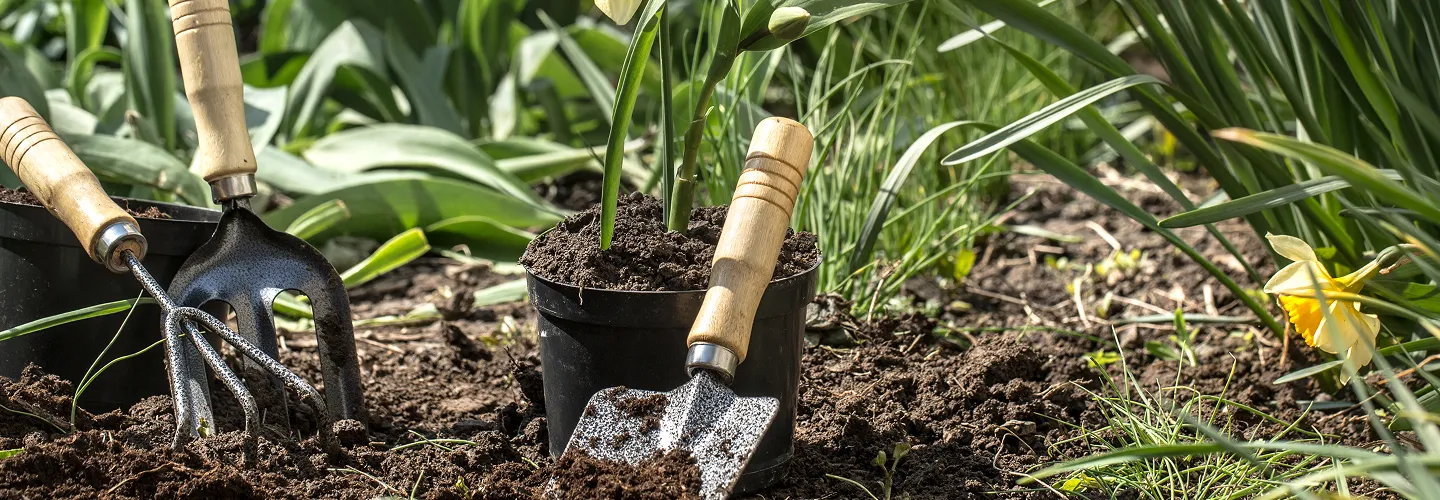
Choose our expert hedging services for precision, reliability, and lush, healthy boundaries that enhance your property's privacy and curb appeal.
Get a Free QuoteOur Suwanee Landscaping & Yard Care Services
When to Schedule Hedging in Suwanee, Georgia – Seasonal Guide
In Suwanee, Georgia, the best times to schedule hedging are typically late winter through early spring and again in late summer. This timing aligns with the region’s climate, where mild winters and humid summers influence plant growth cycles. For neighborhoods near Sims Lake Park or along Peachtree Industrial Boulevard, hedging before the last frost date ensures shrubs and hedges recover quickly and maintain their shape throughout the growing season. Suwanee’s clay-heavy soils and variable rainfall also play a role—hedging during drier periods helps prevent disease and encourages healthy regrowth.
Local environmental factors such as the risk of late spring frosts, periods of high humidity, and shaded lots in subdivisions like Riverbrooke or Edinburgh can affect the ideal hedging schedule. It’s important to consider municipal guidelines and neighborhood association rules, which may be found on resources like the Sudbury municipal website, to ensure compliance with local landscaping standards.
Local Factors to Consider for Hedging in Suwanee
- Tree density and shade coverage in your yard
- Soil type (clay, loam, or sandy soils)
- Seasonal precipitation and drought risk
- Proximity to landmarks or water features (e.g., Suwanee Creek)
- Municipal or HOA restrictions on landscaping activities
Benefits of Hedging in Suwanee
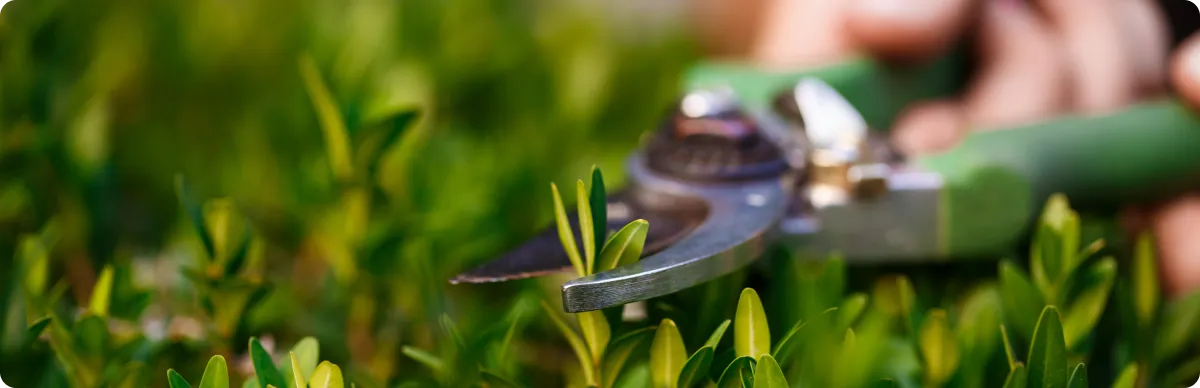
Enhanced Curb Appeal
Increased Property Value
Privacy and Noise Reduction
Expert Local Knowledge
Customized Hedge Designs
Year-Round Maintenance
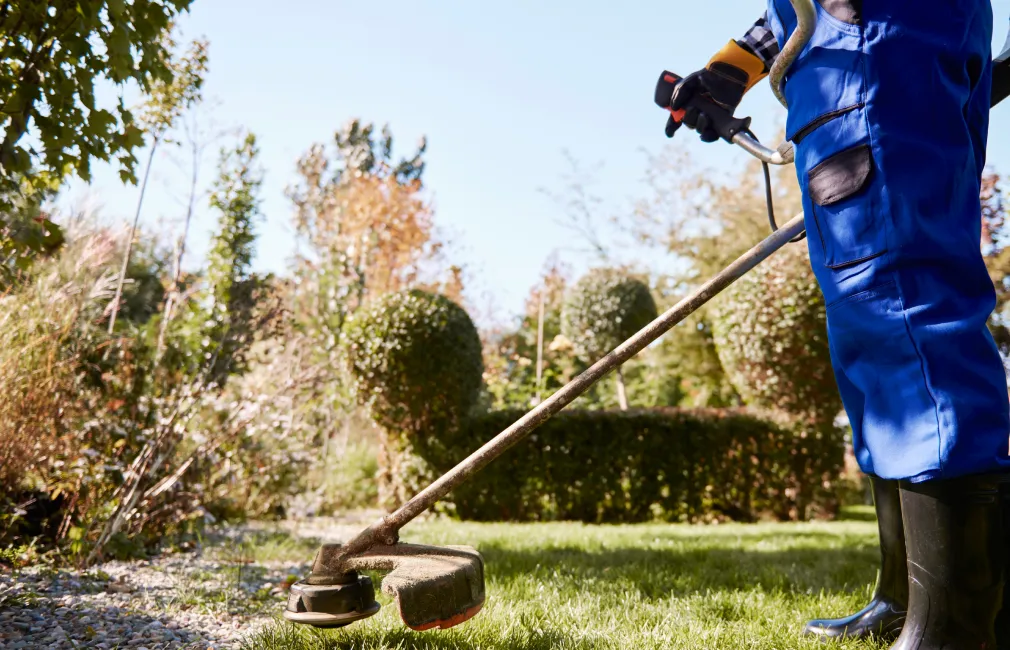
Suwanee Hedging Types

Boxwood Hedges
-
Privet Hedges
-
Holly Hedges
-
Loropetalum Hedges
-
Wax Myrtle Hedges
-
Yew Hedges
-
Arborvitae Hedges
Our Hedging Process
Consultation and Planning
Site Preparation
Precision Trimming
Cleanup and Inspection
Why Choose Suwanee Landscape Services
-
Suwanee Homeowners Trust Us
-
Expert Lawn Maintenance
-
Reliable Scheduling
-
Competitive Pricing
-
Professional Team
-
Satisfaction Guarantee
-
Personalized Service
Hedging and Sightline Safety Along Suwanee’s Streets and Rights-of-Way
Hedge placement and maintenance in Suwanee must account for both city code and public safety, especially where hedges border sidewalks, intersections, or public rights-of-way. Suwanee’s Code Enforcement division enforces visibility standards to ensure that hedges do not obstruct sightlines for drivers or pedestrians. Residents should maintain hedges at a height and setback that preserves clear views at corners and driveways, typically keeping growth below 30 inches within visibility triangles. Key steps include:
- Regularly trimming hedges near intersections and driveways
- Verifying setback requirements for new plantings
- Avoiding plantings that could block signage or traffic views
- Consulting city code for nuisance vegetation definitions
Suwanee Code Enforcement
330 Town Center Avenue, Suwanee, GA 30024
Phone: (770) 945-8996
Official Website: Suwanee Code Enforcement
Managing Hedging Debris and Green Waste Disposal in Suwanee
Proper disposal of hedge trimmings and green waste is essential for compliance with Suwanee’s municipal waste management protocols. The Suwanee Public Works Department oversees collection and disposal of yard debris, including hedge clippings. Residents should bundle branches and bag smaller debris according to city guidelines, and avoid placing materials in storm drains or on sidewalks. Key disposal practices include:
- Bundling branches under 4 feet in length and 6 inches in diameter
- Using biodegradable bags for leaves and small clippings
- Placing debris curbside on designated collection days
- Keeping debris clear of stormwater inlets and rights-of-way
Suwanee Public Works Department
330 Town Center Avenue, Suwanee, GA 30024
Phone: (770) 904-3379
Official Website: Suwanee Public Works Department
Soil and Drainage Considerations for Hedging in Suwanee’s Piedmont Red Clay
Suwanee’s location in the Metro Atlanta Piedmont means most properties feature red clay soils, which are prone to compaction and slow drainage. The USDA Web Soil Survey identifies dominant series such as Cecil and Pacolet, both of which can restrict root growth and water infiltration. When establishing or maintaining hedges, residents should:
- Amend planting sites with organic matter to improve drainage
- Avoid overwatering, especially in low-lying or compacted areas
- Select hedge species tolerant of clay and periodic wetness
- Monitor for root rot and adjust irrigation as needed
For detailed soil maps and recommendations, consult the USDA Web Soil Survey and UGA Cooperative Extension.
Environmental Compliance: Protecting Suwanee’s Streams and Stormwater During Hedging Work
Hedging activities near Suwanee’s creeks, ponds, and stormwater features must comply with local and state environmental regulations. The city’s Stormwater Management division emphasizes the importance of keeping clippings and fertilizers out of storm drains to protect water quality. Residents and property managers should:
- Maintain buffer zones along streams and detention ponds
- Prevent debris from entering stormwater inlets
- Use only approved herbicides and fertilizers, following Georgia EPD guidelines
- Schedule major trimming outside of heavy rain periods to reduce runoff risk
Suwanee Stormwater Management
330 Town Center Avenue, Suwanee, GA 30024
Phone: (770) 904-3379
Official Website: Suwanee Stormwater Management
Seasonal Timing and Best Practices for Hedging in Suwanee’s Climate
Suwanee is located in USDA Hardiness Zone 7b, with hot, humid summers and mild winters. Optimal timing for hedge trimming is late winter to early spring (February–March) before new growth emerges, and again in late summer if needed. Avoid heavy pruning during peak heat or drought. Best practices include:
- Pruning before bud break to minimize stress
- Avoiding cuts during active growth or extreme heat
- Monitoring for pest or disease issues after wet periods
- Using sharp, sanitized tools to prevent spread of pathogens
For plant-specific timing and care, refer to UGA Cooperative Extension resources and local weather updates from the National Weather Service.
What Neighborhoods Do We Serve Throughout Suwanee, GA?
- Olde Towne: Features mature landscaping and established hedges, with red clay soils and moderate slopes requiring careful drainage management.
- Suwanee Station: Newer subdivision with compacted fill soils and smaller lots, where hedge placement must consider HOA guidelines and limited frontage.
- Shadowbrook: Proximity to Suwanee Creek and greenways means extra attention to buffer zones and stormwater protection during hedging.
- Riverbrooke: Larger lots and wooded edges create challenges for debris removal and maintaining clear sightlines at driveways.
- Highlands at Bridgegate: Elevated lots with steeper slopes require erosion control and careful timing of hedge maintenance to prevent runoff.
- Village Grove: Dense development with narrow streets and sidewalks, making regular hedge trimming essential for pedestrian safety and code compliance.
- MorningView: Mix of open and wooded areas, with varying soil moisture and shade levels affecting hedge species selection and growth rates.