
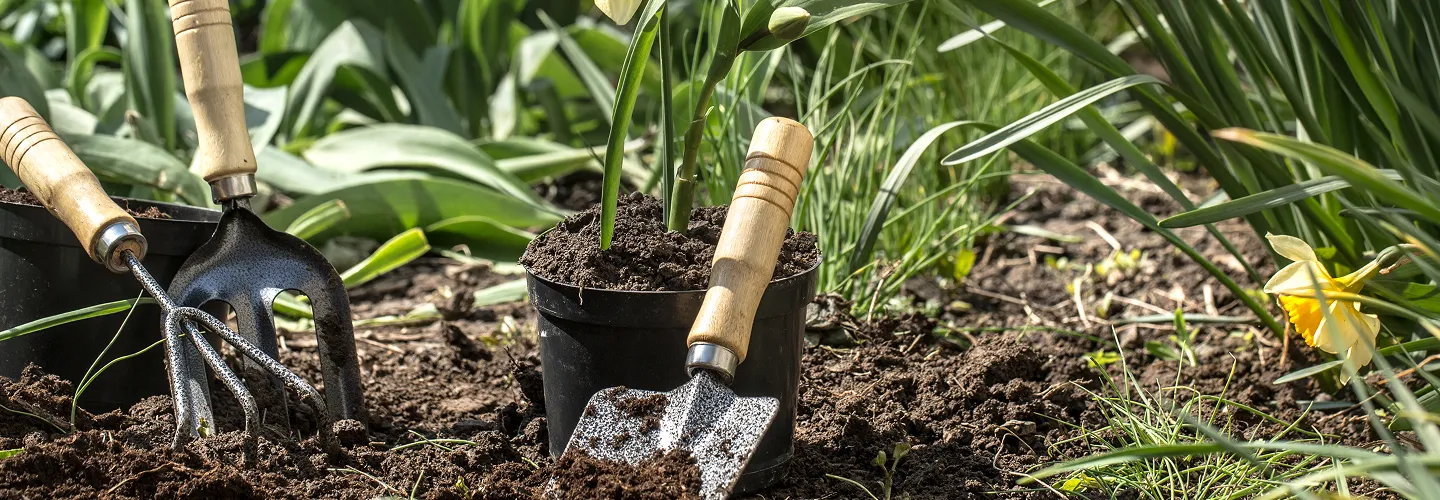
Suwanee Landscape Services
Sign up now for autumn service and let your yard shine all season long!
Get a Free QuoteLandscape Services Tailored for Suwanee, Georgia
Expert Lawn Care for Suwanee’s Unique Environment
Suwanee’s rolling hills, mature tree canopies, and proximity to the Chattahoochee River create a distinctive set of lawn care challenges for homeowners. In neighborhoods like Rivermoore Park and Olde Atlanta Club, shaded lots from established oaks and maples can make it difficult for grass to thrive, while sloped yards are prone to soil erosion during heavy spring rains. Summer droughts, common in the region, stress turf and ornamentals, requiring careful irrigation and drought-resistant plant choices. Additionally, winter road treatments along Peachtree Industrial Boulevard can introduce salt exposure, impacting curbside lawns. Our services are designed with these local factors in mind, ensuring your landscape remains healthy and vibrant year-round. For more information about Suwanee’s parks, neighborhoods, and community resources, visit the official City of Suwanee website.
Our Suwanee Landscaping & Yard Care Services
Suwanee Gardening Services
Suwanee Yard Clean Up
Why Choose Suwanee Landscape Services


Suwanee Homeowners Trust Us
-
Expert Lawn Maintenance
-
Reliable Scheduling
-
Competitive Pricing
-
Professional Team
-
Satisfaction Guarantee
-
Personalized Service
Contact Your Local Suwanee Public Works or Solid Waste Department for Green Waste Info
Suwanee residents benefit from Gwinnett County's structured yard waste collection program. Curbside pickup of grass clippings, leaves, branches, hedge trimmings, and organic debris typically follows a weekly schedule managed by the county's solid waste division. Branches must be cut to four-foot lengths and bundled, while loose leaves and clippings should be placed in approved containers—plastic bags are discouraged in favor of compostable bags or rigid bins. Gwinnett County operates citizen convenience centers where residents can drop off brush and yard waste during posted hours with proof of residency. Commercial landscapers must use separate licensed disposal facilities and may not utilize residential drop-off sites. Blowing or dumping clippings, leaves, sediment, or fertilizer granules into streets, gutters, storm drains, or streams is strictly prohibited under the Clean Water Act and local MS4 stormwater permits. Free mulch from county brush-chipping programs is periodically available, and grasscycling—leaving clippings on the lawn—is encouraged to reduce waste volume and return nutrients to Piedmont clay soils.
Gwinnett County Solid Waste Management
75 Langley Drive, Lawrenceville, GA 30046
Phone: (770) 822-7141
Official Website: Gwinnett County Solid Waste Management
City of Suwanee Public Works
331 Town Center Avenue, Suwanee, GA 30024
Phone: (770) 945-8996
Official Website: City of Suwanee
Lawn Care Regulations & Permits in Suwanee, GA
Professional lawn care operators in Suwanee must comply with the Georgia Pesticide Use and Application Act of 1976 and the Georgia Pesticide Control Act of 1976, which require commercial applicators to hold valid licenses verifiable through Georgia Department of Agriculture - Search for Pesticide Applicators. Fertilizer products sold and applied in Georgia are regulated under the Georgia Fertilizer Act of 1997, though local stormwater ordinances, HOA rules, and watershed-protection programs may further influence application timing and runoff-prevention practices. Outdoor watering in Suwanee follows statewide Georgia Water Conservation rules—irrigation is restricted to specific days and must occur before 10 a.m. or after 4 p.m. to reduce evaporation loss. Suwanee's noise ordinance limits powered equipment operation in residential areas, generally prohibiting use before 7:00 a.m. on weekdays and before 9:00 a.m. on weekends. Commercial operators must maintain a valid Gwinnett County occupation tax certificate, carry liability insurance, and ensure vehicle and trailer compliance.
Georgia Department of Agriculture
19 Martin Luther King Jr. Drive SW, Atlanta, GA 30334
Phone: (404) 656-3600
Official Website: Georgia Department of Agriculture
What Neighborhoods Do We Serve in Suwanee, GA?
Suwanee sits squarely in the Metro Atlanta Piedmont region of Gwinnett County, where red clay and clay-loam soils dominate and mature hardwood canopies create significant shade challenges. Each neighborhood presents distinct lawn care considerations:
- Shadowbrook and Suwanee Station — Established subdivisions with compacted Piedmont clay, mature oak and pine canopy, and tall fescue struggling under summer heat stress. Aeration and overseeding are critical each fall.
- McGinnis Ferry Road Corridor (River Green, Settles Bridge) — Newer master-planned communities near the Chattahoochee River with HOA-enforced appearance standards, bermudagrass and zoysiagrass lawns, and stormwater pond sensitivity requiring careful fertilizer management.
- Olde Atlanta Club — Upscale golf-course community with zoysiagrass-dominant landscapes, significant shade from mature trees, and strict HOA aesthetic requirements demanding precise mowing heights and weed control.
- Suwanee Town Center / Downtown — Mixed-use urban core with smaller lots, ornamental beds, and high foot traffic requiring durable turf selections and careful irrigation around hardscape.
- Peachtree Industrial Boulevard Corridor (Stonecypher, Beckett) — Suburban neighborhoods with builder-grade fill soil over native clay, poor infiltration, and drainage issues requiring core aeration and compost topdressing.
- George Pierce Park Area (Laurel Springs, Northbrooke) — Proximity to park greenways and creek corridors demands stream-buffer compliance, reduced chemical inputs near waterways, and erosion-conscious mowing on sloped lots.
- Johns Creek-Adjacent West Suwanee (Rivermist, Level Creek) — Transitional lots with heavy tree cover, root competition, and shade-stressed fescue requiring strategic turf conversion to zoysiagrass in partial-shade areas.
Partnering With Suwanee's Stormwater, Environmental, or Sustainability Office
Suwanee and Gwinnett County coordinate stormwater management under Georgia EPD - Municipal Stormwater MS4 permit requirements. The Chattahoochee River watershed and its tributary creeks—including Level Creek and Suwanee Creek—are highly sensitive to nutrient and sediment runoff from residential landscapes. Sustainable practices we align with include:
- Proper mulching around beds to reduce bare-soil erosion on clay slopes
- Grasscycling to return nitrogen to turf and reduce green waste
- Compost topdressing to improve infiltration in compacted red clay
- Rain garden support and native plant integration along drainage swales
- Erosion-aware mowing on graded lots near detention ponds and creek buffers
Coordination with the Georgia Soil and Water Conservation Commission - Urban Erosion & Sediment Control ensures land-disturbing activities meet state standards. Gwinnett County's watershed protection programs, Tree City USA participation, and stream adoption initiatives further guide environmentally responsible lawn care throughout Suwanee.
Gwinnett County Department of Water Resources - Stormwater
684 Winder Highway, Lawrenceville, GA 30045
Phone: (678) 376-7000
Official Website: Gwinnett County Stormwater
Georgia Environmental Protection Division
2 Martin Luther King Jr. Drive SE, Suite 1456 East, Atlanta, GA 30334
Phone: (404) 656-4713
Official Website: Georgia EPD - Stormwater
Top Suwanee Lawn Problems (and How We Solve Them)
Suwanee's Piedmont clay soils, humid summers, and mature tree canopy create a distinct set of turf challenges. Based on UGA Turfgrass and UGA Lawn Care & Landscaping research, the most common issues include:
- Clay compaction and poor infiltration — Annual core aeration in fall (fescue) or late spring (bermuda/zoysia) breaks up hardpan clay, improves root depth, and reduces surface runoff after Piedmont thunderstorms.
- Tall fescue summer decline — Fescue lawns thin during July and August heat. Raising mowing height to 3.5–4 inches, irrigating deeply but infrequently, and overseeding each September with improved cultivars restores density.
- Brown patch disease — Warm, humid nights trigger Rhizoctonia in fescue. Avoiding late-day irrigation, reducing excess nitrogen in summer, and applying preventive fungicides per UGA guidelines limit outbreaks.
- Spring dead spot in bermudagrass — Circular dead patches appear as bermuda exits dormancy. Reducing fall nitrogen, aerating to improve drainage, and applying targeted fungicides in autumn address the pathogen cycle.
- Shade stress and thinning — Mature oaks, pines, and hardwoods reduce sunlight below turf thresholds. Selective limb-raising, conversion to shade-tolerant zoysiagrass varieties, and supplemental overseeding in transitional areas improve coverage.
- Weed invasion in compacted soils — Crabgrass, dallisgrass, and sedges exploit thin, compacted turf. Pre-emergent applications timed to soil temperature, combined with aeration and proper fertility, reduce weed pressure without excessive herbicide use.
- Erosion and drainage failures — Sloped lots and builder-grade grading concentrate runoff. Terracing, French drains, and erosion-control ground covers stabilize vulnerable areas.
Soil testing through the UGA Cooperative Extension confirms pH and nutrient needs before any corrective program begins.
UGA Cooperative Extension - Gwinnett County
750 South Perry Street, Suite 400, Lawrenceville, GA 30046
Phone: (678) 377-4010
Official Website: UGA Cooperative Extension - Gwinnett County
What Makes Lawns in Suwanee Different From the Rest of Georgia?
Suwanee occupies USDA Hardiness Zone 7b/8a in the upper Piedmont of Metro Atlanta—a true transition zone where both warm-season and cool-season grasses are viable but each faces seasonal stress. Key regional distinctions include:
- Soil profile — Heavy Cecil and Pacolet red clay series dominate, unlike the sandy Coastal Plain soils of South Georgia or the rocky loams of North Georgia's foothills. Clay compaction is the primary soil challenge, not nutrient leaching.
- Growing season — Approximately 220–240 frost-free days, shorter than Coastal or South Georgia but longer than mountain-fringe communities, creating a compressed window for warm-season turf establishment.
- Turf mix — Bermudagrass and zoysiagrass thrive in full sun, while tall fescue remains popular in shaded Piedmont neighborhoods—a combination rarely seen in South Georgia's centipedegrass-dominant landscapes or Coastal Georgia's St. Augustinegrass zones.
- Rainfall and drought — Annual rainfall averages 50–54 inches with intense summer thunderstorms that overwhelm clay soils, followed by periodic drought stress during July and August.
- Shade pressure — Mature hardwood and pine canopy in established Suwanee neighborhoods creates far more shade competition than open South Georgia lots or newer coastal subdivisions.
- Pest profile — Brown patch and spring dead spot dominate, unlike the mole cricket and chinch bug pressure characteristic of sandy southern and coastal soils.
- Stormwater sensitivity — Proximity to the Chattahoochee River watershed demands stricter runoff management than inland Middle Georgia communities.
Supporting Local Events in Suwanee With Lawn Expertise
Suwanee's vibrant community calendar creates year-round demand for well-maintained public and private green spaces. We coordinate turf preparation and recovery for:
- Suwanee Fest and SuwaneeFest concerts at Town Center Park
- Movies and Music in the Park summer series on Town Center green
- Suwanee Beer Fest and seasonal farmers market events
- PlayTown Suwanee playground and splash pad surroundings
- George Pierce Park athletic fields, trails, and tournament venues
- Suwanee Creek Greenway corridor maintenance and cleanup events
- School athletic fields and grounds for North Gwinnett, Suwanee Elementary, and surrounding campuses
- HOA common-area preparation for neighborhood block parties and seasonal gatherings
- Storm recovery support — rapid debris removal, turf repair, and erosion stabilization after severe Piedmont thunderstorms and wind events
Suwanee Parks & Recreation
331 Town Center Avenue, Suwanee, GA 30024
Phone: (770) 945-8996
Official Website: Suwanee Parks & Recreation
Eco-Friendly Landscaping Backed by Suwanee's Water-Saving and Green Initiatives
Aligning with Suwanee's sustainability vision and Gwinnett County's watershed-protection goals, we implement practices that reduce environmental impact while maintaining healthy Piedmont turf. Water conservation strategies include:
- Smart irrigation controllers with rain-sensor shutoffs
- Watering only during approved early-morning or evening hours per Georgia Water Conservation guidelines
- Deep, infrequent irrigation cycles calibrated to clay soil absorption rates
- Drought-tolerant bermudagrass and zoysiagrass selection for full-sun areas
- Hydrozoning to separate high-water ornamental beds from lower-input turf zones
Reduced-chemical and lower-emission approaches include:
- Compost topdressing to build organic matter in depleted clay soils
- Integrated pest management with threshold-based treatment decisions
- Pollinator-friendly bed plantings and native species integration per UGA Invasive Species guidance
- Battery-powered mowers, trimmers, and blowers to reduce emissions and noise
- Route optimization to minimize fuel consumption and neighborhood disruption
- Grasscycling and local mulch reuse to divert organic waste from landfills
National Weather Service - Peachtree City Office
4 Weather Service Road, Peachtree City, GA 30269
Phone: (770) 486-1133
Official Website: National Weather Service Offices
U.S. Environmental Protection Agency, Region 4
61 Forsyth Street SW, Atlanta, GA 30303
Phone: (404) 562-9900
Official Website: U.S. EPA Region 4
Proudly Serving These Streets and Areas in Suwanee
Our service coverage spans the full geography of Suwanee and its surrounding Gwinnett County communities:
Downtown / Town Center:
- Town Center Avenue, Main Street, Buford Highway (SR 13), Scales Road, Suwanee Dam Road
North Suwanee:
- Shadowbrook, Suwanee Station, Northbrooke, Laurel Springs
- George Pierce Park vicinity, Martin Farm Road, Settles Bridge Road
South / McGinnis Ferry Corridor:
- River Green, Rivermist, Level Creek, Beckett
- McGinnis Ferry Road, Peachtree Industrial Boulevard (SR 141)
East Suwanee:
- Olde Atlanta Club, Stonecypher, Suwanee Creek Greenway corridor
- Lawrenceville-Suwanee Road, Suwanee Creek Road
West Suwanee:
- Johns Creek-adjacent communities, Level Creek Road corridor
- Chattahoochee River greenway buffer areas
Notable Landmarks & Special Considerations:
- Town Center Park, PlayTown Suwanee, George Pierce Park, Suwanee Creek Park
- North Gwinnett High School, Suwanee Elementary School
- Suwanee Creek and Level Creek stream-buffer zones (reduced chemical application areas)
- HOA-governed subdivisions with specific mowing height, edging, and seasonal color requirements
- Stormwater detention ponds and drainage easements requiring setback compliance
Suwanee Development Services
331 Town Center Avenue, Suwanee, GA 30024
Phone: (770) 945-8996
Official Website: City of Suwanee Development Services
Georgia Soil and Water Conservation Commission
4310 Lexington Road, Athens, GA 30605
Phone: (706) 552-4470
Official Website: Georgia Soil and Water Conservation Commission